For veterinary professionals · Oral care

Nitric oxideand periodontal health in dogs and cats

Support the oral microbiome below the gum line.

A daily water additive helps beneficial oral bacteria produce nitric oxide naturally, reaching the periodontal pockets that brushing can’t.

Talk to us
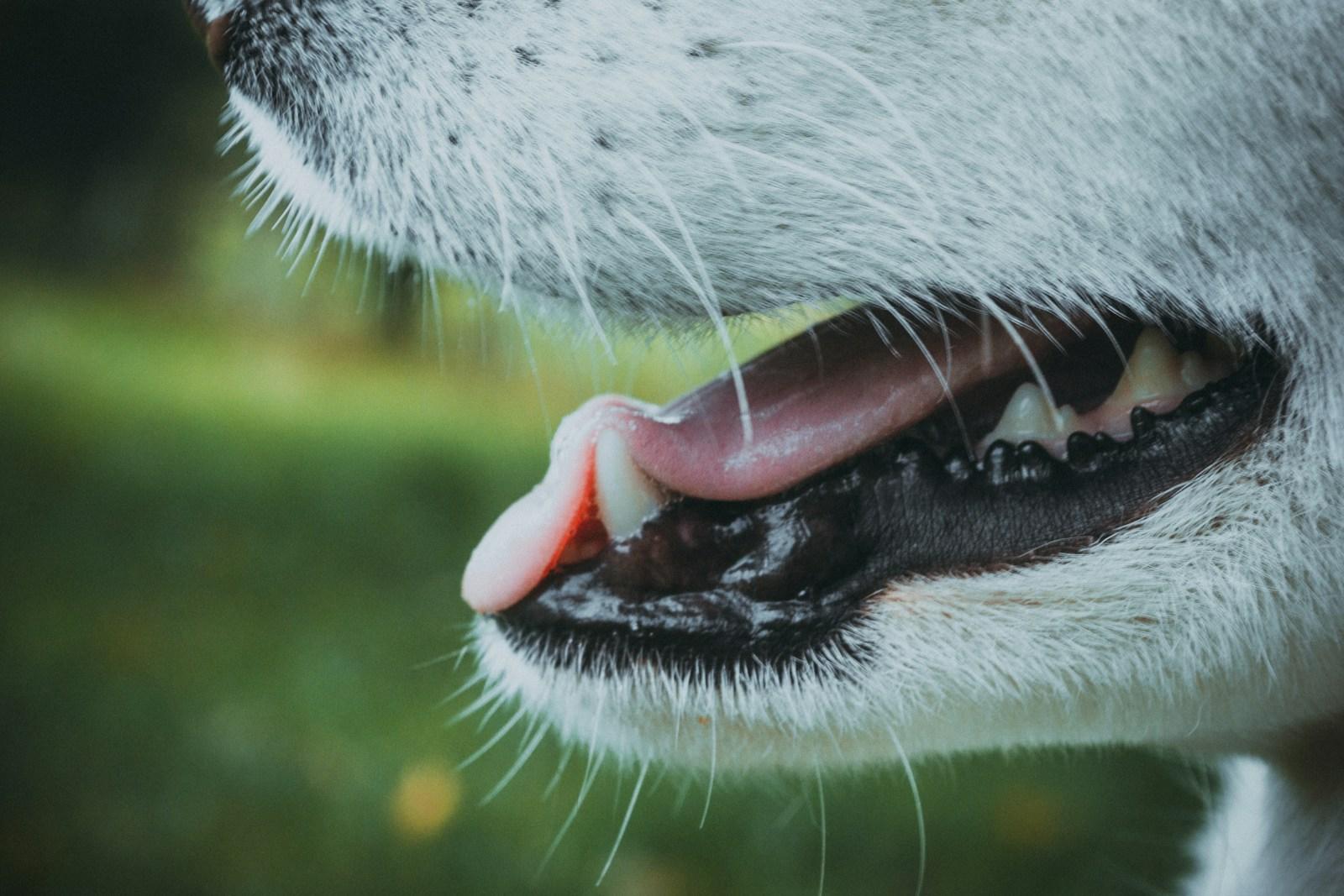
Close-up of a dog's teeth and gums
Daily
Added to the pet’s drinking water
Sodium-free
Water-soluble powder
L-arginine
With active vitamin B6 as cofactor
Dogs & cats
One routine for both species

The science

The role of nitric oxide in oral health.

A marker of inflammation

As plaque and tartar build up, macrophages and other immune cells release nitric oxide as a chemical messenger. It helps fight bacteria, but in excess it adds to oxidative stress and the breakdown of tissue and bone around the teeth.

A target for oral care

Newer oral care strategies aim to regulate this molecule. Some probiotics, such as Lactobacillus brevis, compete for the nutrients needed to produce nitric oxide and have been shown to reduce redness and swelling at the gum line.

How it works

Nitric oxide, made where it’s needed.

Instead of applying nitric oxide directly, the formulation stimulates the mouth’s own beneficial bacteria to produce it.

  1. 1

    Add to water

    A small scoop of L-arginine and active vitamin B6 powder goes into the daily drinking water, coating teeth and gums every time the pet drinks.

  2. 2

    Bacteria make nitric oxide

    Beneficial oral bacteria use these nutrients to produce nitric oxide naturally, instead of it being applied directly.

  3. 3

    Below the gum line

    Nitric oxide diffuses into periodontal pockets, helping to inhibit the anaerobic bacteria associated with plaque, tartar and gingivitis.

Reaches below the gum line

Brushing and scaling remove surface debris. Nitric oxide from the oral microbiome reaches the periodontal pockets where anaerobic bacteria thrive.

Supports a balanced microbiome

Helps strengthen beneficial bacteria while reducing the microbes linked to bad breath, calculus buildup and inflammation.

Whole-body context

Periodontal disease has been associated with systemic conditions, including kidney and heart disease. Supporting oral health supports overall wellbeing.

Assessment

Dental health stages in dogs and cats.

Nitric oxide activity is microscopic, so in practice dental hygiene is monitored through visible plaque, tartar and gum health.

Dogs

Stage 1

Gingivitis

Mild reddening along the gum line. Early inflammatory signals, including nitric oxide pathways, begin to rise.

Stages 2–3

Early to moderate periodontitis

Visible yellow-brown calculus, receding gums and the onset of bone loss.

Stage 4

Advanced disease

Severe calculus, deep gum infection, and loose or missing teeth.

Cats

Early

Silent plaque

Plaque accumulates without obvious signs. Gums change from healthy light pink to a sharp red line where tooth meets gum.

Advanced

Tartar and resorption

Thick brown tartar holds bacteria against the tissue. It can lead to painful conditions such as feline juvenile gingivitis or tooth resorption, with chronic inflammation affecting the whole body, including kidney function.

In practice

Simple to add to any routine.

How to use

A water-soluble, sodium-free powder. Owners add a small scoop to the pet’s daily drinking water, so it coats the teeth and gums every time the pet drinks, throughout the day.

Before recommending, note

  • Species: dog or cat
  • Age
  • Visible tartar accumulation
  • Red or inflamed gums

Periodontal management

Part of a complete dental care plan.

Supplements support daily bacterial control. They complement professional cleaning and brushing, and don’t replace them.

  1. 1

    Professional veterinary cleaning

    A full dental cleaning under anaesthesia remains the gold standard: scaling calculus below the gum line, dental X-rays and extraction of severely diseased teeth.

  2. 2

    Daily brushing

    A pet-safe enzymatic toothpaste and a soft brush physically disrupt plaque before it hardens into calculus.

  3. 3

    Microbiome additives and rinses

    Water additives and antiseptic rinses change the oral environment, making it less hospitable to damaging anaerobic bacteria.

For veterinary professionals. This information does not replace clinical examination or professional dental treatment.

Add it to your dental care protocol.

Product details, pricing and samples: our team will get back to you.

Talk to us